April 21, 2026, 11:09
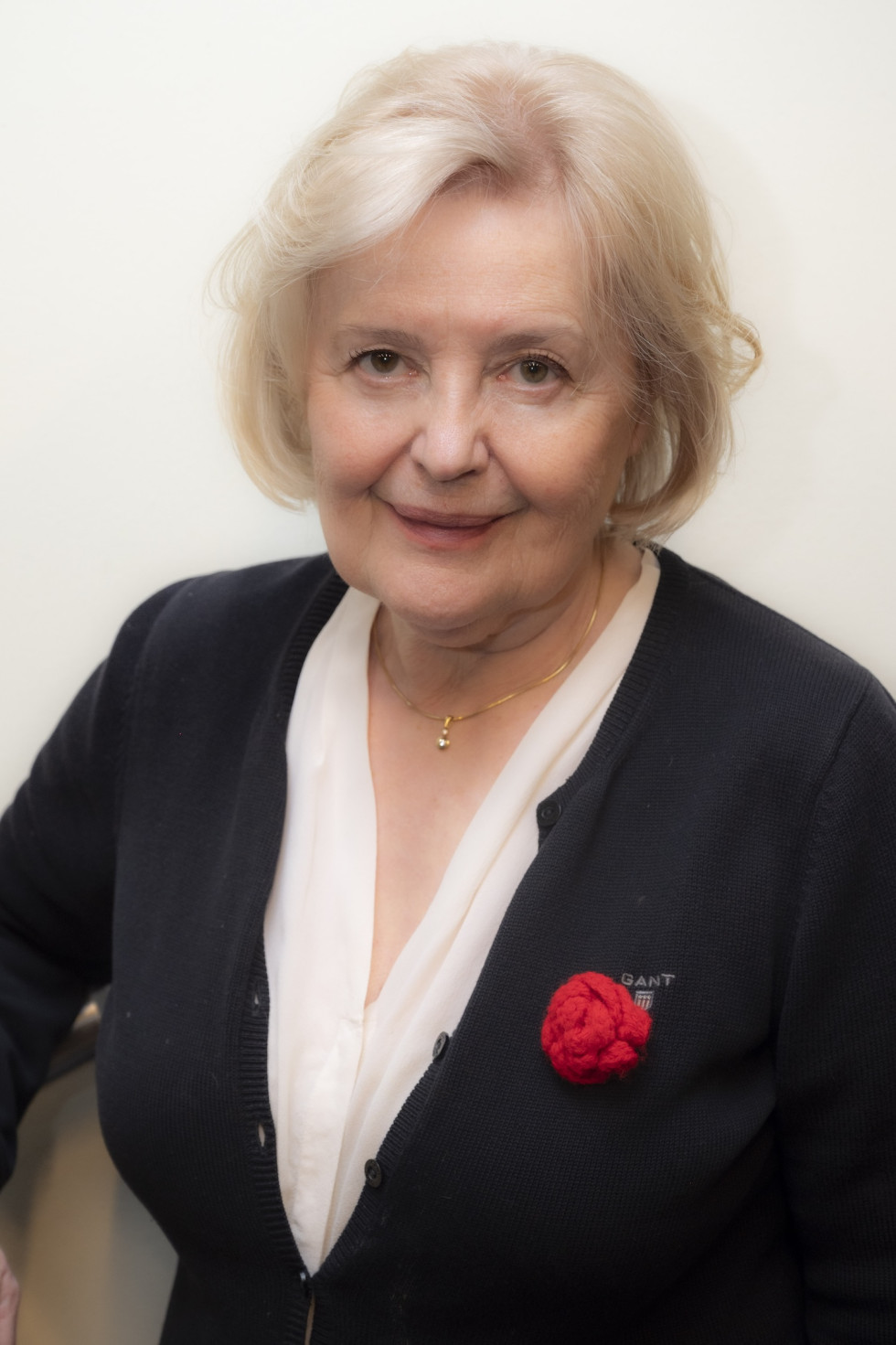
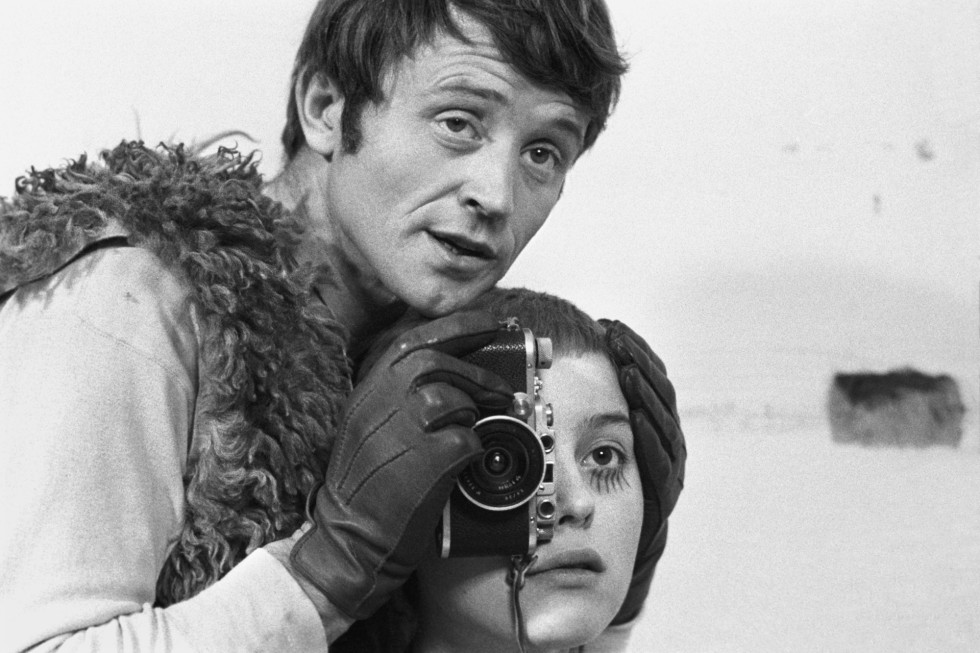
For much of its existence, the Karlovy Vary International Film Festival – which celebrates the 80th anniversary of its founding this year, was an important representative of Czechoslovak cinema. By presenting an award to Magda Vášáryová, the festival aims not just to express its respect for the performances of one of the greatest Slovak actresses of all time, but also to remember the unique artistic connection between the Czech and Slovak filmmakers who shaped our two countries’ shared cinematic history.
Magda Vášáryová’s breakthrough role at the start of her acting career came in František Vláčil’s historical drama Marketa Lazarová (1967). In 1998, domestic film critics and journalists voted this cinematic masterpiece as the most important work of our hundred-year cinematic history. The film was digitally restored in 2011, and the restored version’s world premiere was held at the 46th KVIFF.
Vášáryová has said that she had originally not dreamt of becoming an actress: she initially attended a secondary school with a focus on math and physics and subsequently studied at the Faculty of Arts at Bratislava’s Comenius University. But the international success of Marketa Lazarová brought further acting offers. Working with director Juraj Jakubisko, she subsequently filmed the anthology film Deserters and Pilgrims (1968, shown at the Venice film festival) and the drama Birds, Orphans and Fools (1969). Both films were “locked away” by the communist regime.
Magda Vášáryová appeared alongside Jan Tříska in the title roles of Radúz and Mahulena (1970), Petr Weigl’s adaptation of the mythological play by Julius Zeyer. She also portrayed the female lead in Karel Zeman’s distinctive adaptation of Jules Verne’s novel On the Comet (1970) and also appeared in the fairy tale movie Prince Bajaja (1971, dir. Antonín Kachlík).
After earning her university degree, Vášáryová began to perform at the Divadlo Na korze theater, after which she appeared on stage at Bratislava’s Nová scéna and at the Slovak National Theatre. She filmed the biopic And Give My Love to the Swallows (1972) with Jaromil Jireš and regularly appeared in television films. She again teamed up with Petr Weigl for a cinematic version of Dvořák’s world famous opera Rusalka (1977), and she was exceptionally popular among audiences for her role as the mischievous housekeeper in the comedy Cutting It Short (1984), Jiří Menzel’s adaptaion of the novel by Bohumil Hrabal. She filmed the psychological drama Quiet Happiness (1985) with Dušan Hanák, and again worked with director Jaromil Jireš on Lion with a White Mane (1986), a biopic about the composer Leoš Janáček. Her final work for cinema was director Dušan Hanák’s psychological drama Private Lives (1990).
After the Velvet Revolution, Vášáryová accepted an offer from President Václav Havel to be Czechoslovakia’s ambassador to Austria (1990–1993), and in 2000–2005 she was Slovakia’s ambassador to Poland. She has since continued to be engaged in politics and public life. In February 2026, she earned a Ph.D. in historical sociology from Charles University’s Faculty of Humanities. She has authored several books, including last year’s collection of interviews Než zmizím (Before I Disappear), in which she speaks openly about current issues.
In honor of Magda Vášáryová, the Karlovy Vary festival will be screening Juraj Jakubisko’s Birds, Orphans and Fools. The film, a Czechoslovak-French co-production written by Jakubisko in cooperation with the writer Karol Sidon, was filmed in the turbulent year of 1968. At the time, a special committee of the Slovak Ministry of Culture labeled this mosaic-like, fantastical allegory of unfulfilled dreams and the absurdity of the world “un-socialistic” and forbade its distribution. More than twenty years later, Birds, Orphans and Fools was shown at the 1990 Karlovy Vary film festival and also won the FIPRESCI Award.
First-hand brews throughout the year.
Be among the first to learn about upcoming events and other news. We only send the newsletter when we have something to say.