July 09, 2026, 9:00
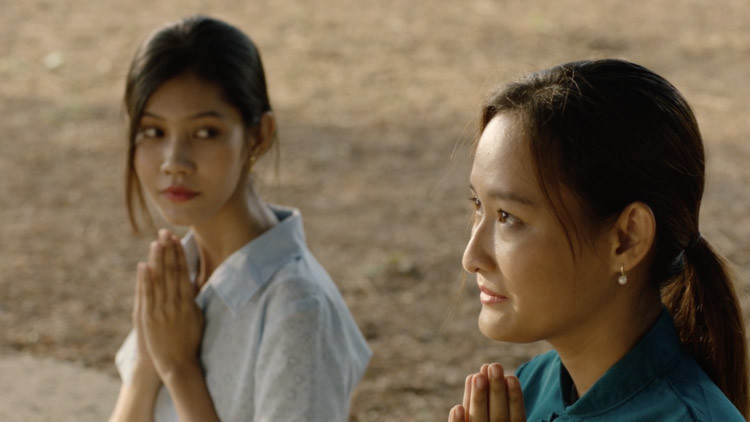
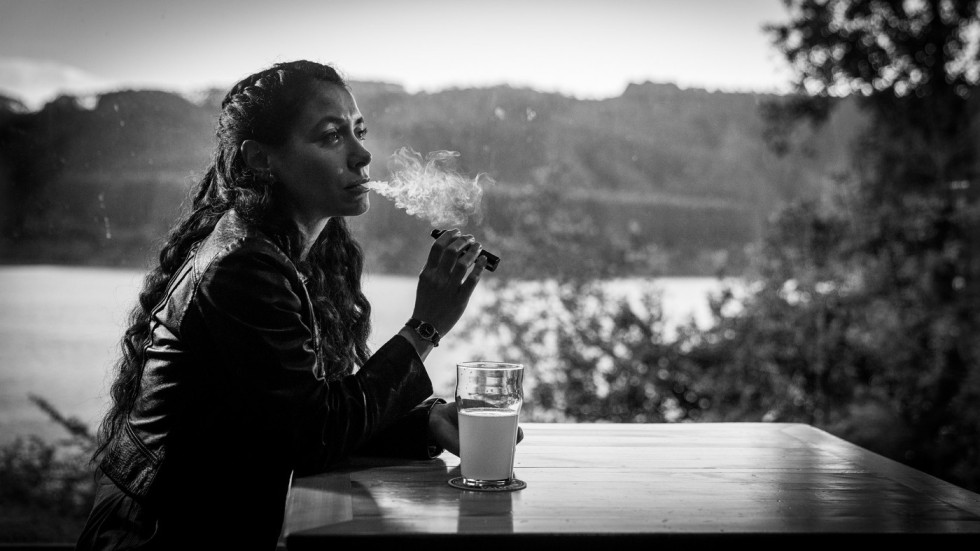

Today in the Grand Hall, the final two world premieres in the Crystal Globe Competition will bring the series to a close. First, at 5 pm, comes the Chilean drama Behind the Rain about the repression of memories, and at 7:30 pm, the Myanmar film Fruit Gathering, dealing with friendship and the desire for change, co-produced with the Czech Republic and France.
Sofía, a psychology professor, has just completed her postgraduate studies in Valparaíso, and is returning to her hometown when a little girl’s body is discovered there. The news dismays city residents, and triggers memories of sexual abuse from her own childhood. Until that point, Sofia had been determined not to dwell on “that story”. She lives well, she has no problems, it is a settled matter. Except that “that story” is, despite everything, important.
In all her films, Chilean director and editor Valeria Sarmiento questions the relationship between memory and the unconscious. Is it better to remain silent, hiding secrets so that things do not change (as in Secretos, 2008), or to seek true access to the most painful memories (as in Huellas, 2023)? In her most recent film, Behind the Rain, Sarmiento reflects on the very concept of repressed memory. Like a scratched film that looks like rain, the protagonist Sofía must decide whether to stop the memory from resurfacing or to look beyond the rain, beyond the buried fears of an entire country.
The final Crystal Globe candidate, Fruit Gathering brings us to industrial Yangon, where young factory worker San Kyi dreams of returning to her native village. Her relationship with co-worker Theint Theint Oo evolves from closeness to growing distance, revealing tensions between their expectations and life prospects. Amid exhausting labour, social repression, and economic uncertainty, both women seek escape and intimacy. San faces family pressure, emotional confusion, and a deep yearning for a life of dignity.
“It was about 15 years ago, when I returned to Myanmar after studying for years in Singapore, that I found myself exploring Yangon as if I were seeing it for the first time. Riding the commuter rail one day, I noticed a solitary young woman crossing the tracks toward a nearby housing complex and was struck by the sadness on her face,” recalled director Aung Phyoe, speaking of the inspiration behind his feature-length debut. “This image is not that uncommon. Many Burmese people do not look very happy; they are not necessarily depressed, but you can always see a certain burden on their faces. As the train continued through the city’s industrial area, I imagined that the woman might be a garment worker toiling in a nearby factory. Over the journey of developing this project, her sadness became intertwined with my own life experiences. The story shifted into the current narrative as I became aware of what San Kyi really longs for. It took years of lived experience and many drafts of the script,” said the director about the film, which delicately portrays female friendship and the fragile balance between intimacy, longing for change, and the social realities of contemporary Myanmar.
First-hand brews throughout the year.
Be among the first to learn about upcoming events and other news. We only send the newsletter when we have something to say.